Why Understanding the Aging Body Matters When Providing Massage for Older Adults
Providing care for older adults requires more than compassion and good intentions. As people age, the body undergoes natural physical changes that can affect mobility, comfort, flexibility, and overall well-being. For Personal Support Workers (PSWs) and family caregivers, understanding these changes is an important part of delivering safe and effective care.
This is especially true when incorporating massage into caregiving routines. Massage techniques that may be appropriate for younger individuals often need to be adapted for older adults. Understanding how the aging body changes over time helps caregivers provide a more comfortable experience while reducing the risk of discomfort or injury.
For caregivers who want to use massage as a supportive tool, learning about the aging body is one of the most valuable steps they can take.
How Aging Affects the Body
Aging is a natural process that affects every system in the body. While each person ages differently, there are common physiological changes that caregivers should be aware of when providing hands-on support.
Older adults may experience:
- reduced muscle mass
- decreased flexibility
- joint stiffness
- changes in posture
- thinner, more delicate skin
- reduced mobility
- slower recovery from physical strain
These changes can influence how an individual responds to touch and massage techniques. What feels comfortable for one person may not feel comfortable for another, which is why a personalized and gentle approach is so important.
Understanding these changes helps caregivers make informed decisions about positioning, pressure, and technique.
Why Massage for Older Adults Requires a Different Approach
Massage for older adults is not simply a modified version of general massage. It is a specialized approach that takes age-related changes into consideration.
For example, thinner skin may require lighter pressure, while limited mobility may require adjustments in positioning. Joint sensitivity and age-related health conditions can also influence which techniques are appropriate and how they should be applied.
The primary goal is not to provide deep pressure or intensive treatment. Instead, the focus is on supporting comfort, relaxation, and overall well-being.
When caregivers understand the physical realities of aging, they are better equipped to provide massage that feels safe, supportive, and beneficial.
The Importance of Comfort-Focused Care
Many older adults experience discomfort related to reduced activity, prolonged sitting, or age-related physical changes. Comfort-focused care aims to address these challenges by supporting relaxation and helping individuals feel more at ease.
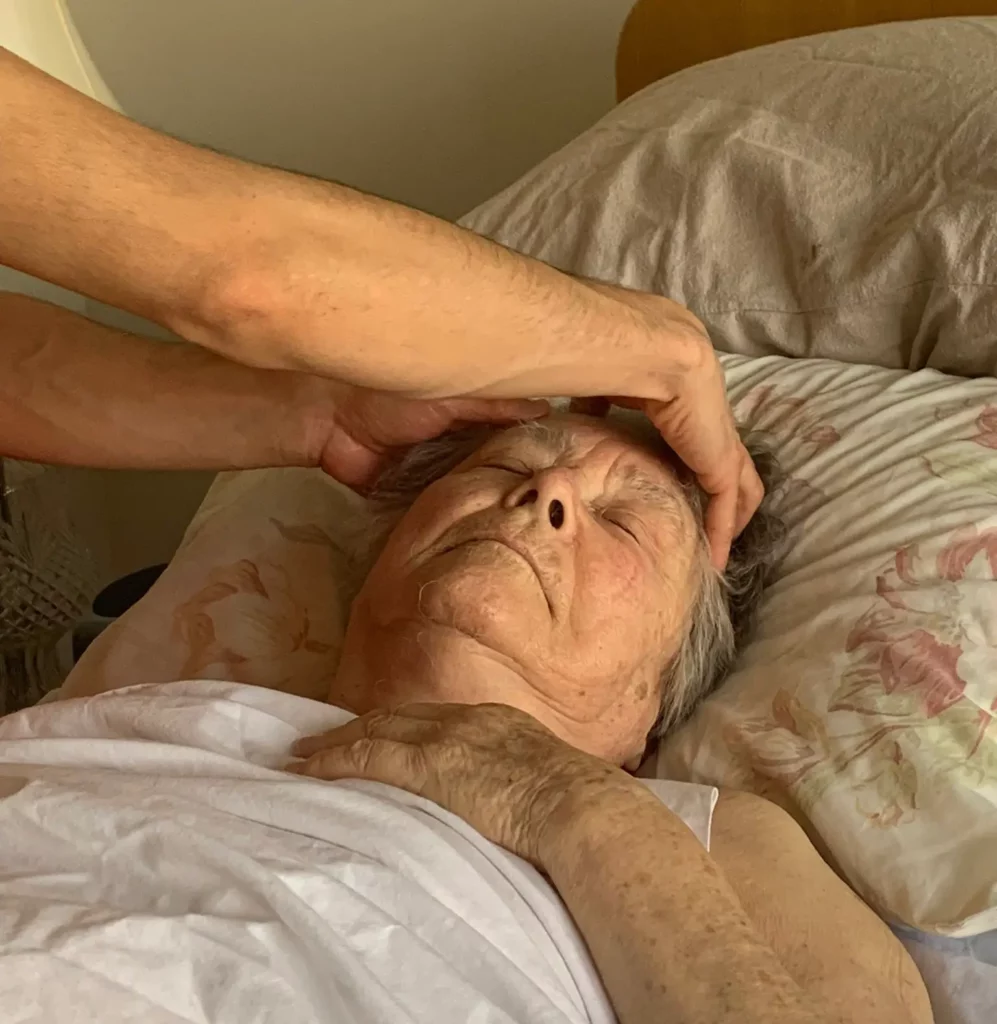
Massage can become one part of this approach when used appropriately. Gentle techniques may help create calming moments throughout the day and encourage a greater sense of comfort.
For caregivers, these interactions can also strengthen communication and build trust. Taking time to focus on an individual’s comfort demonstrates attentiveness and can contribute to a more positive caregiving experience.
Understanding the aging body allows caregivers to adapt their approach based on the person’s unique needs rather than relying on generalized techniques.
Safety Starts with Knowledge
One of the biggest reasons caregivers benefit from education is that older adults often require additional safety considerations.
Factors such as:
- mobility limitations
- joint sensitivity
- chronic health conditions
- skin fragility
- circulation concerns
can all affect how massage should be provided.
Without an understanding of these considerations, caregivers may unintentionally apply too much pressure, position someone incorrectly, or overlook important contraindications.
Learning about the aging process helps caregivers recognize when modifications may be necessary and how to prioritize comfort and safety throughout the experience.
Why Education Matters for Caregivers and PSWs
Many caregivers want to provide additional support but are unsure how to adapt massage techniques for older adults.
This is where specialized education can make a significant difference.
Canadian Lifecare Learning offers programs designed specifically for individuals who support older adults, including family caregivers and Personal Support Workers.
Their caregiver-focused training explores topics such as:
- age-related anatomical and physiological changes
- safe massage techniques for older adults
- positioning and comfort support
- contraindications and precautions
- practical applications for caregiving environments
By understanding how aging affects the body, caregivers can approach massage with greater
confidence and provide care that is tailored to the needs of older adults.
Supporting Better Care Through Better Understanding
Caregiving is often about adapting to the unique needs of each individual. The more caregivers understand the aging process, the better equipped they are to provide meaningful support.
Massage can be a valuable comfort-focused tool when applied thoughtfully and safely. However, effective application begins with understanding how aging affects the body and how techniques should be modified accordingly.
For both family caregivers and PSWs, this knowledge creates a stronger foundation for providing supportive, person-centered care.
Learning about the aging body is an important first step toward providing safe and effective massage for older adults. Whether supporting a loved one at home or working in a professional caregiving role, education helps caregivers build confidence and develop practical skills that can be applied every day.
For those interested in expanding their caregiving knowledge, Canadian Lifecare Learning Courses offer flexible online training programs designed specifically for caregivers and PSWs who want to better support older adults through comfort-focused massage techniques and informed care practices.