Common Mistakes Caregivers Make When Using Massage Techniques with Older Adults
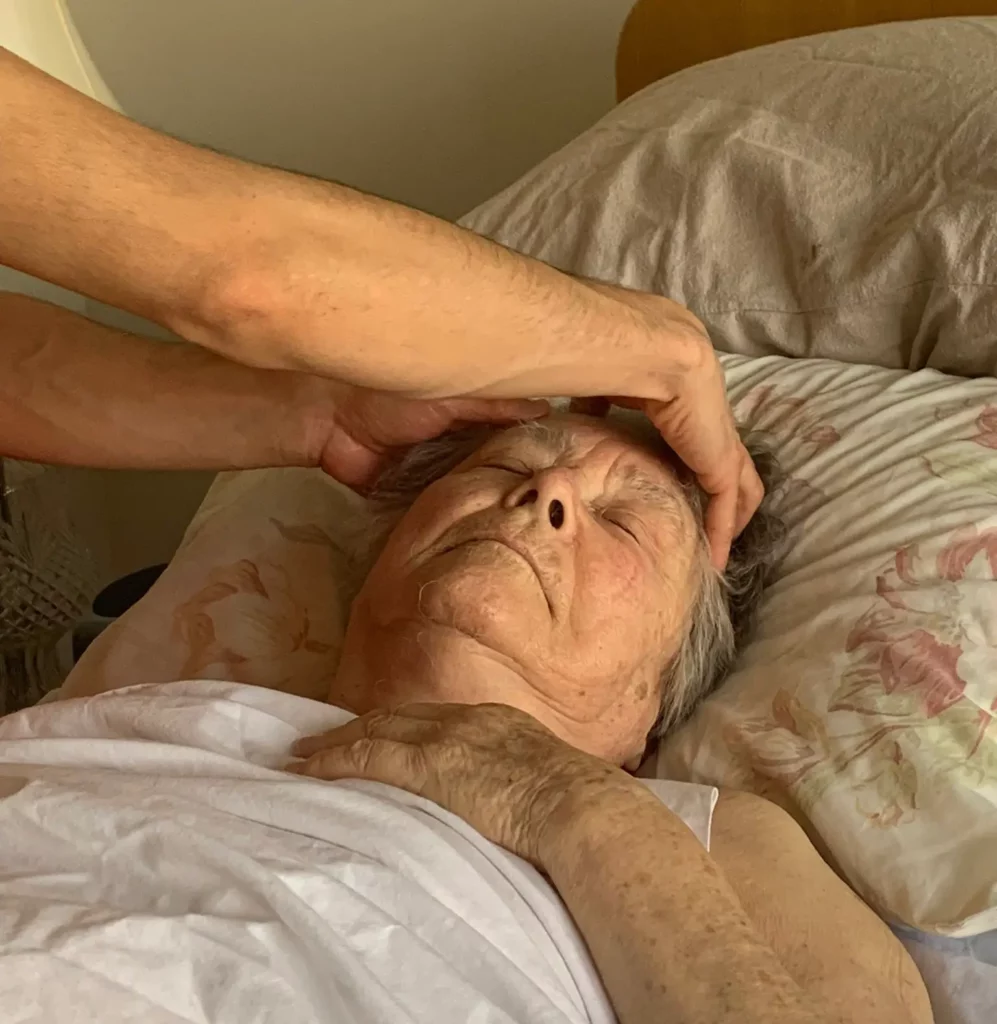
Providing comfort-focused care often involves learning new skills, especially for Personal Support Workers and family caregivers supporting older adults. Massage techniques can be a valuable addition to daily care routines, helping promote relaxation and comfort when used appropriately.
However, many caregivers are introduced to massage techniques without a clear understanding of how aging affects the body. As a result, common mistakes can occur that may reduce comfort or make caregivers feel less confident in their approach.
Understanding these challenges can help caregivers provide safer, more effective support while building confidence in their caregiving skills.
Mistake #1: Using Too Much Pressure
One of the most common misconceptions is that stronger pressure produces better results. While this may be true in some settings, older adults often require a gentler approach.
As people age, their skin can become thinner and more sensitive. Joints may also be affected by arthritis, reduced mobility, or other age-related changes. Applying excessive pressure can create discomfort rather than relaxation.
Massage techniques for older adults should prioritize comfort, communication, and gentle touch. Caregivers should always pay attention to how the individual responds and adjust accordingly.
Mistake #2: Not Considering Age-Related Physical Changes
Aging affects the body in many ways, including mobility, circulation, posture, and flexibility. Techniques that may feel comfortable for one person may not be appropriate for another.
Caregivers who do not understand these changes may unintentionally position someone in a way that creates strain or discomfort.
This is why education focused specifically on older adult care is important. Understanding age-related physiological changes helps caregivers adapt techniques safely and appropriately.
Mistake #3: Ignoring Proper Positioning
Positioning plays a major role in comfort and safety.
Many caregivers focus on the massage technique itself while overlooking how the older adult is sitting or lying down. Poor positioning can increase discomfort and make it difficult for the person to relax.
Whether using seated or lying-down techniques, caregivers should ensure that the individual feels supported and comfortable throughout the session.
Proper positioning is a key topic covered in many older adult massage education programs because it directly affects both safety and effectiveness.
Mistake #4: Skipping Communication
Massage should never be a one-sided experience.
Some caregivers assume that silence means everything is fine, but regular communication is important. Asking simple questions throughout a session can help caregivers understand:
● whether the pressure feels comfortable
● if certain areas are sensitive
● whether adjustments are needed
● how the individual is feeling overall
This helps create a more positive and supportive experience while reducing uncertainty.
Mistake #5: Overlooking Contraindications
Older adults may have health conditions that require modifications or extra caution.
Without proper training, caregivers may not recognize situations where certain techniques should be avoided or adjusted.
Understanding contraindications is an important part of safe caregiving practice. This includes being aware of factors such as:
● recent injuries
● inflammation
● skin conditions
● mobility limitations
● other health considerations
Knowing when and how to adapt techniques helps caregivers provide support more confidently.
Mistake #6: Focusing on Technique Instead of Comfort
Many beginners become overly focused on performing techniques perfectly.
In reality, comfort should remain the primary goal. Older adult massage is not about performing complex routines. It is about creating a safe and relaxing experience that supports overall well-being.
Caregivers often achieve better results when they focus on attentiveness, communication, and comfort rather than trying to memorize complicated movements.
Why Training Makes a Difference
Many of these mistakes occur simply because caregivers have not received structured instruction.
Programs such as those offered by Canadian Lifecare Learning are designed specifically to help caregivers understand:
● anatomy and aging
● safe massage techniques
● positioning strategies
● contraindications
● comfort-focused care approaches
Their training is tailored for both Personal Support Workers and family caregivers who want practical skills they can apply when supporting older adults.
The Geriatric (Older Adult) Massage Certificate for PSWs & Caregivers and the Older Adult Massage Course for Family Caregivers both focus on helping learners build confidence while prioritizing safety and comfort.
Building Confidence Through Education
Providing massage support for older adults does not require extensive prior experience, but it does require an understanding of how aging affects the body and how techniques should be adapted accordingly.
By avoiding common mistakes and developing practical caregiving skills, caregivers can provide a more comfortable and supportive experience for the older adults they care for.
For those interested in expanding their caregiving knowledge, Canadian Lifecare Learning Courses offer flexible online programs designed specifically for PSWs, caregivers, and individuals supporting older adults at home.