Simple Massage Techniques Family Caregivers Can Use to Support Loved Ones at Home
Caring for an older adult at home often involves finding thoughtful ways to support both comfort and overall well-being. Family caregivers play an important role in daily care, and many are looking for practical approaches that can help loved ones feel more relaxed and supported throughout the day.
One approach that continues to gain interest is massage. When adapted appropriately for older adults, massage can become a gentle addition to daily caregiving routines that supports comfort and encourages moments of connection.
Massage for older adults does not need to be complicated to be meaningful. The focus should always remain on safe, simple techniques that prioritize comfort and respect individual needs.
Why Gentle Massage Can Support Daily Care
Older adults may experience stiffness, reduced mobility, muscle tension, or general discomfort as part of the aging process. Long periods of sitting or decreased physical activity can also contribute to feelings of tightness and fatigue.
Gentle massage techniques may help support relaxation and create a more comfortable daily experience. While massage is not intended to replace medical treatment, it can complement existing care routines when applied safely and appropriately.
For family caregivers, massage can also create intentional moments of connection. Taking a few minutes to focus on comfort and relaxation may help create a more supportive caregiving environment.
Simple Techniques Caregivers Can Learn
Family caregivers do not need extensive experience to begin learning safe massage practices for older adults. The goal is not complexity. Instead, caregivers can focus on techniques that are approachable and easy to integrate into everyday routines.
Some examples include:
Gentle Hand Massage
Hands often carry tension and may feel stiff after daily activities. Using slow, light movements across the palms and fingers can help encourage relaxation and provide comfort.
Shoulder and Upper Back Support
Older adults frequently experience tension in the shoulders and upper back from posture changes or reduced movement. Gentle movements focused on comfort can help encourage relaxation.
Forearm and Arm Massage
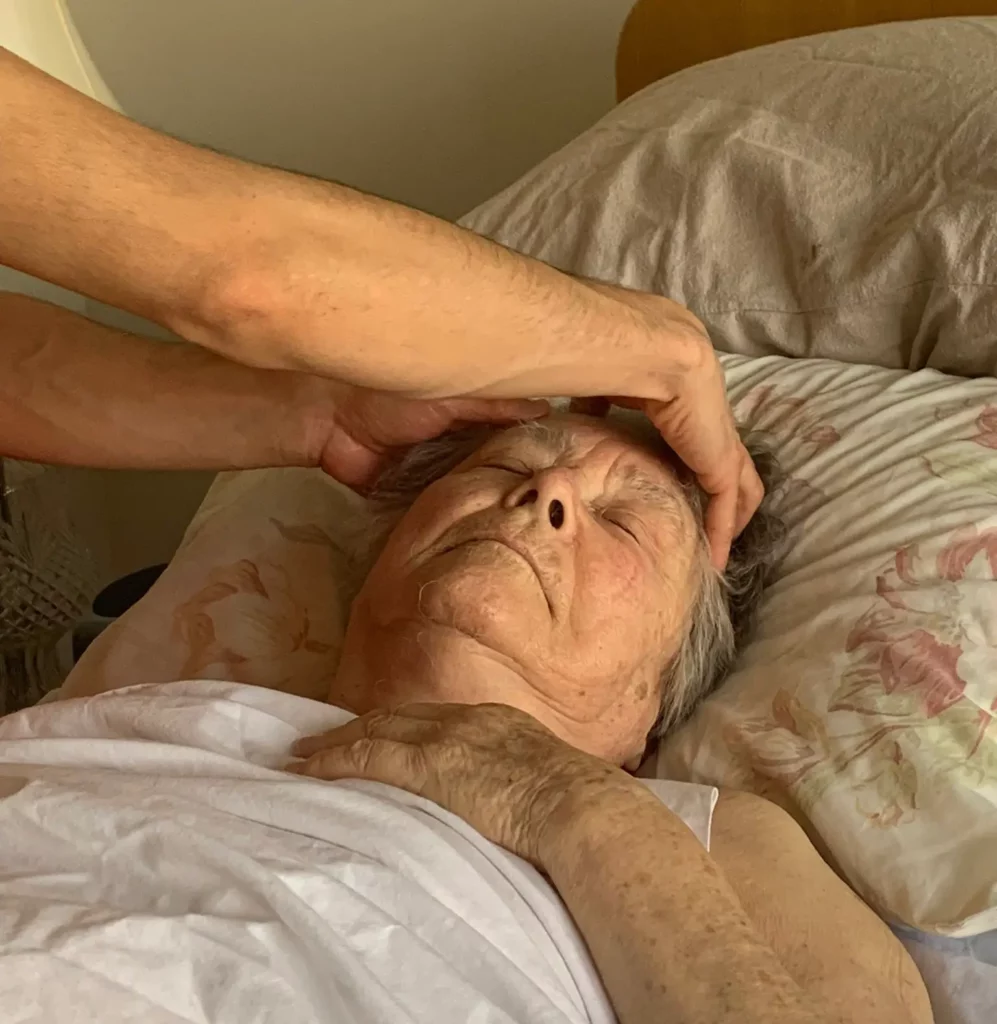
Light massage techniques for the arms may help support comfort while creating opportunities for calming interaction.
Seated Relaxation Techniques
Massage can often be adapted for seated positions, making it easier to incorporate into daily routines without requiring major adjustments.
The emphasis should always remain on observing comfort levels and adjusting techniques based on individual needs.
Understanding Safety and Comfort
When providing massage for older adults, safety should always come first.
Caregivers should consider:
● mobility limitations
● skin sensitivity
● pressure tolerance
● positioning and support
● individual health considerations
Massage for older adults requires a different approach than general massage practices. Aging bodies often respond differently to pressure and movement, making adaptation an important part of safe care.
This is one reason education can be valuable for family caregivers who want to feel more confident using touch-based care techniques.
Why Structured Learning Can Help
Many caregivers want to provide more support but are unsure where to begin. Questions often come up around technique, positioning, pressure, and safety.
Canadian Lifecare Learning offers caregiver-focused education designed specifically for supporting older adults.
Their Older Adult Massage Course for Family Caregivers introduces learners to:
● massage techniques adapted for older adults
● seated and lying-down approaches
● contraindications and safety awareness
● practical caregiving applications
● comfort-focused routines
The course is designed for family caregivers and does not require previous massage experience, making it accessible for individuals looking to build practical caregiving skills.
Making Massage Part of Daily Care
Massage does not need to become a complicated routine to make a difference. Short, intentional moments throughout the day can help support comfort while creating opportunities for meaningful interaction.
Some caregivers choose to include massage:
● during quiet evening routines
● after periods of sitting
● as part of relaxation time
● during supportive care moments
Consistency and attentiveness are often more important than duration.
By approaching massage thoughtfully and safely, caregivers can create supportive experiences that contribute to comfort and overall well-being.
Supporting Loved Ones with Confidence
Family caregiving often involves learning new skills and adapting to changing needs over time. Massage can become one tool that supports both physical comfort and meaningful connection when used appropriately.
With proper guidance and education, caregivers can build confidence and learn practical techniques designed specifically for older adults.
If you are interested in developing hands-on caregiving skills, Canadian Lifecare Learning Courses offers online training programs designed to help family caregivers support loved ones with greater confidence and care.