How Personal Support Workers Can Use Massage Techniques to Improve Comfort in Older Adults
Personal Support Workers play an important role in supporting the daily well-being of older adults. In many care settings, PSWs help individuals maintain comfort, mobility, and quality of life through consistent hands-on support and compassionate care.
As caregiving continues to evolve, more PSWs are exploring additional skills that can help improve the overall care experience for older adults. One area gaining increased attention is massage techniques adapted specifically for aging populations.
When applied safely and appropriately, massage can become a valuable comfort-focused tool that supports relaxation and helps older adults feel more physically at ease throughout the day.
Why Comfort-Focused Care Matters
Many older adults experience physical changes that affect comfort and mobility over time. Long periods of sitting, reduced activity levels, stiffness, muscle tension, and age-related conditions can all contribute to daily discomfort.
For PSWs, supporting comfort is often part of everyday caregiving responsibilities. Small interventions that encourage relaxation and reduce physical tension may help improve the overall care experience for older adults.
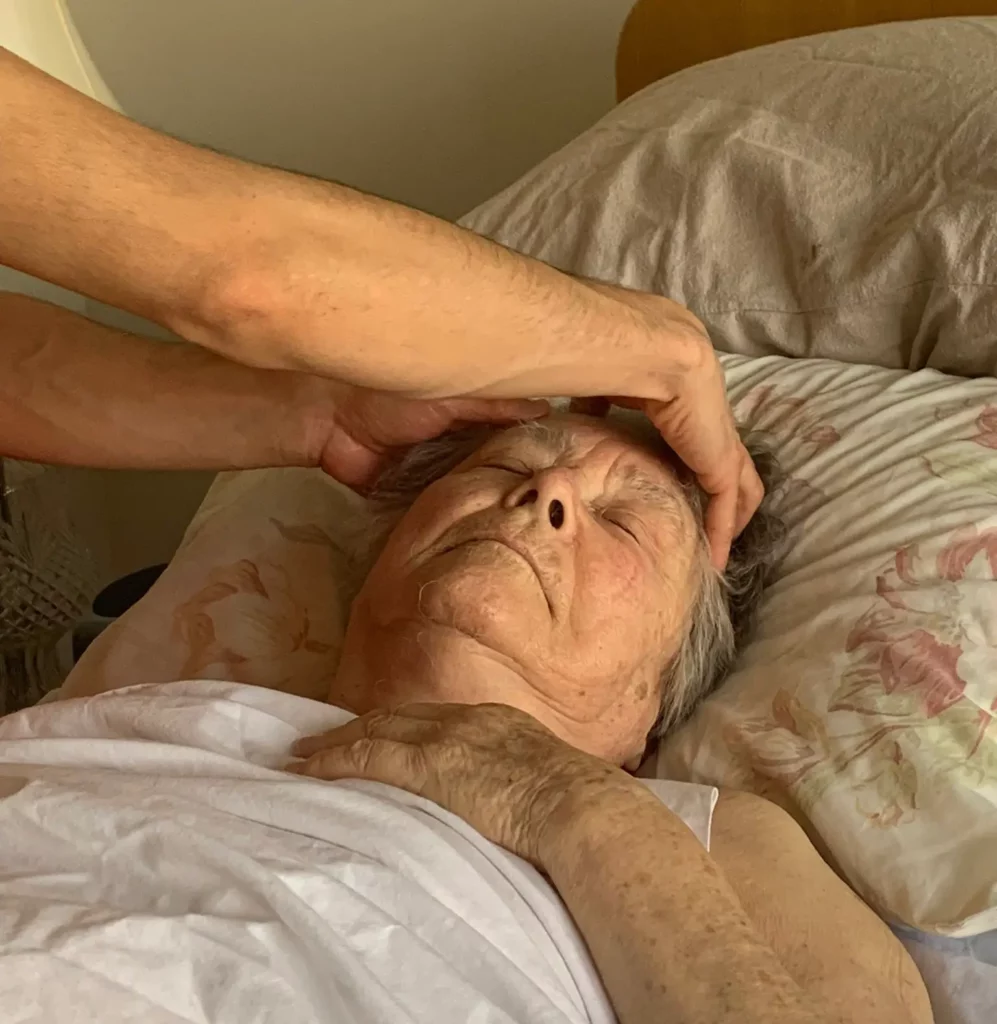
Massage techniques adapted for older adults focus on gentle, supportive touch rather than intensive pressure. The goal is to promote comfort and relaxation while respecting individual needs and limitations.
How Massage Techniques Can Support Older Adults
Safe massage techniques may help:
● encourage relaxation
● reduce muscle tension
● support comfort during periods of stiffness
● create calming moments during care routines
● improve overall well-being
Many older adults respond positively to gentle touch because it provides reassurance and promotes a greater sense of care and connection.
Massage can also become a natural part of caregiving routines when integrated thoughtfully into supportive care practices.
Understanding the Importance of Adaptation
Providing massage for older adults requires a different approach than general massage techniques. Aging bodies may respond differently to pressure, movement, and positioning, making proper adaptation essential.
Older adults may experience:
● sensitive joints
● reduced mobility
● skin fragility
● posture changes
● circulation concerns
● chronic health conditions
Because of these factors, caregivers must understand how to adjust techniques safely and appropriately.
This is why specialized education for older adult massage is valuable for PSWs who want to expand their caregiving skills confidently.
Why Training Matters for PSWs
Many PSWs want to provide additional comfort-focused support but may feel unsure about:
● safe pressure levels
● positioning techniques
● contraindications
● proper body mechanics
● adapting massage for different mobility levels
Structured education can help build confidence while teaching caregivers how to apply techniques safely in real-world care environments.
Canadian Lifecare Learning offers caregiver-focused programs specifically designed for older adult care.
Their Geriatric (Older Adult) Massage Certificate for PSWs & Caregivers includes topics such as:
● anatomy and physiological changes related to aging
● seated and lying-down massage techniques
● contraindications and safety awareness
● positioning and comfort support
● practical caregiving applications
The program is designed to help PSWs learn practical techniques that can be applied in caregiving settings while prioritizing safety and comfort.
Supporting Emotional Well-Being Through Touch
Comfort-focused care is not only physical. Older adults may also experience stress, frustration, or emotional fatigue related to reduced mobility and ongoing discomfort.
Gentle touch-based care can help create a calmer and more supportive caregiving environment. Even brief moments of focused care may help older adults feel more relaxed, valued, and emotionally supported.
For PSWs, these interactions can also strengthen trust and improve communication during daily care routines.
Integrating Massage into Daily Care Routines
Massage techniques do not need to be complicated or time-consuming to be effective. Short sessions focused on comfort can often be integrated naturally into:
● quiet care routines
● seated relaxation periods
● end-of-day support
● comfort-focused interactions
Consistency, attentiveness, and communication are often more important than lengthy sessions.
By understanding how to safely adapt massage for older adults, PSWs can provide a more supportive and personalized care experience.
Building Confidence Through Education
As the demand for older adult care continues to grow, many caregivers are looking for ways to expand their practical skills and provide more comprehensive support.
Massage education designed specifically for aging populations can help PSWs feel more confident while improving comfort-focused caregiving approaches.
If you are interested in learning safe massage techniques adapted for older adults, Canadian Lifecare Learning Courses offers flexible online training programs designed for PSWs, caregivers, and individuals supporting older adults in a variety of care environments.