How Caregivers Can Support Older Adults with Arthritis Through Safe Touch-Based Care
Arthritis is one of the most common conditions affecting older adults, often causing stiffness, joint discomfort, reduced flexibility, and difficulty with daily movement. For both Personal Support Workers and family caregivers, finding safe and practical ways to improve comfort can make a meaningful difference in the quality of care they provide.
While medical treatment remains important, touch-based care techniques such as gentle massage can help support relaxation, comfort, and overall well-being when applied appropriately. For caregivers, learning how to safely adapt these techniques for older adults is an important skill that can improve both physical comfort and the caregiving experience.
Understanding How Arthritis Affects Older Adults
Arthritis affects the joints and surrounding tissues, which can make routine activities more physically demanding. Many older adults experience ongoing stiffness and discomfort that may impact mobility, posture, and energy levels throughout the day.
In some cases, muscle tension can also develop around affected joints. When the body tries to compensate for pain or limited movement, nearby muscles often become tight and fatigued. Over time, this can contribute to additional discomfort and reduced comfort during everyday activities.
For caregivers, understanding these physical changes is important when providing hands-on support. Aging bodies respond differently to pressure, positioning, and movement, which is why techniques for older adults should always be adapted carefully.
The Role of Safe Touch-Based Care
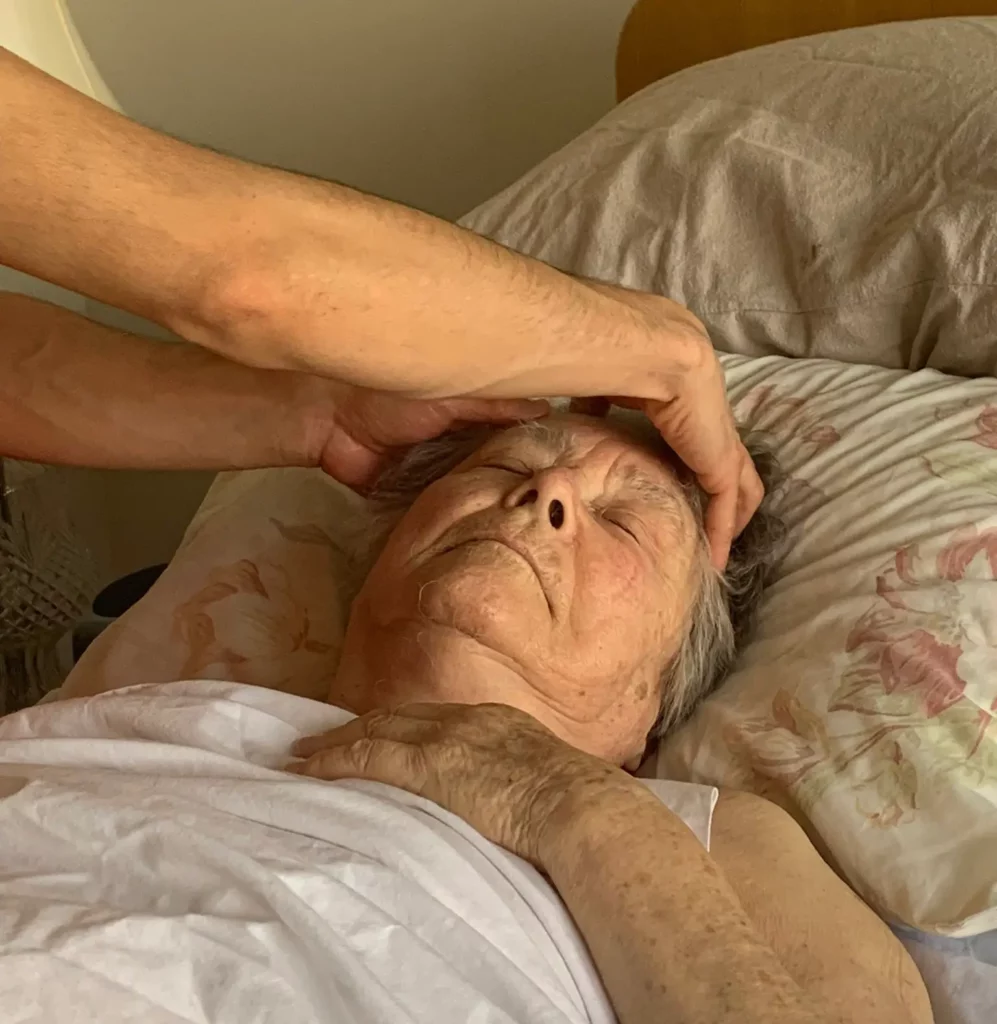
Touch-based care focuses on using gentle, intentional touch to help support comfort and relaxation. For older adults living with arthritis, this type of care may help ease muscle tension and create a more calming experience throughout the day.
Massage techniques for older adults are typically slow, gentle, and comfort-focused. The goal is not deep pressure or intensive treatment. Instead, caregivers focus on helping older adults feel more relaxed and physically supported.
Safe touch-based care may help:
- reduce muscle tension surrounding joints
- encourage relaxation
- support comfort during periods of stiffness
- improve overall well-being
- create a calmer caregiving environment
For many older adults, even short sessions can provide a sense of reassurance and comfort.
Why Proper Training Matters for Caregivers
Providing massage for older adults requires more than general knowledge. Older adults may have:
- mobility limitations
- sensitive joints
- thinner skin
- posture challenges
- varying pain levels
- medical conditions that affect safe application
Without proper education, caregivers may feel uncertain about how much pressure to use, which areas to avoid, or how to safely position someone during a session.
This is why caregiver-focused training is so important.
Canadian Lifecare Learning offers programs specifically designed for PSWs and family caregivers who want to learn safe massage techniques adapted for older adults. Their courses focus on areas such as:
- anatomy and physiological changes related to aging
- contraindications and safety considerations
- positioning techniques
- proper body mechanics
- practical seated and lying-down massage applications
These topics help caregivers build confidence while learning how to provide safe, comfort-focused care.
Supporting Comfort During Daily Care Routines
One of the benefits of learning massage techniques is that they can often be incorporated naturally into daily caregiving routines. A gentle hand, shoulder, or back massage may help older adults feel more relaxed during periods of rest or after long periods of sitting.
For family caregivers, these moments can also strengthen emotional connection and communication. Safe touch can help older adults feel supported, especially when dealing with ongoing discomfort or reduced mobility.
For PSWs, massage techniques can become an additional practical skill that enhances the overall care experience while supporting comfort in a non-invasive way.
Canadian Lifecare Learning’s Older Adult Massage Course for Family Caregivers and Geriatric (Older Adult) Massage Certificate for PSWs & Caregivers are designed to help caregivers learn these techniques through structured online training and practical demonstrations.
Safety Should Always Come First
Although massage can support comfort and relaxation, it is important to recognize that arthritis affects everyone differently. Caregivers should always work within the comfort level of the older adult and avoid techniques that cause discomfort or strain.
Proper positioning, communication, and awareness of contraindications are essential parts of safe caregiving practice. This is one reason why structured education is valuable for both new and experienced caregivers.
By understanding how aging affects the body and learning how to adapt massage techniques appropriately, caregivers can provide more effective and supportive care.
A Gentle Approach to Supporting Older Adults
Touch-based care is not about replacing medical treatment. Instead, it can serve as a supportive addition to everyday caregiving by helping older adults feel more comfortable, relaxed, and cared for.
As more caregivers look for practical ways to improve the quality of life for older adults, massage education continues to become an increasingly valuable skill.
If you are interested in learning safe, caregiver-focused massage techniques for older adults, Canadian Lifecare Learning Courses offers flexible online training programs designed specifically for PSWs, caregivers, and individuals supporting aging loved ones at home.