Is Massage Training Worth It for Caregivers? Benefits for PSWs and Families
For many Personal Support Workers and family caregivers, providing comfort to older adults goes far beyond completing daily tasks. Care often involves helping someone feel safe, relaxed, and supported throughout the day. As more caregivers look for practical ways to improve the quality of care they provide, massage training has become an increasingly valuable skill.
Massage training for caregivers is not about performing complex clinical treatments. Instead, it focuses on learning safe, gentle, and effective techniques that support comfort, relaxation, and overall well-being for older adults. Programs offered through Canadian Lifecare Learning are specifically designed to help PSWs and caregivers build these practical skills in an accessible and structured way.
Why More Caregivers Are Exploring Massage Training
Older adults often experience challenges related to aging, including muscle tension, stiffness, reduced mobility, stress, and discomfort caused by long periods of sitting or inactivity. Gentle massage techniques can help address some of these issues while also creating a more calming and supportive care experience.
For caregivers, learning massage techniques can make daily interactions more meaningful and effective. Instead of only assisting with routine tasks, caregivers can provide additional comfort-focused support that improves both physical and emotional well-being.
Canadian Lifecare Learning’s Geriatric (Older Adult) Massage Certificate for PSWs & Caregivers teaches caregivers how to safely perform relaxing massage techniques specifically adapted for older adults. The program includes instruction on anatomy, physiological changes related to aging, contraindications, positioning, and practical strategies for handling different care situations.
Building Confidence Through Structured Learning
One of the biggest challenges many caregivers face is uncertainty. Without proper training, it can be difficult to know:
- How much pressure is appropriate
- Which areas should be avoided
- How aging affects the body’s response to massage
- How to position an older adult safely and comfortably
Structured education helps remove that uncertainty. Instead of relying on guesswork, caregivers learn clear methods and practical guidelines that can be applied confidently in real-world situations.
This is especially important when working with older adults, as age-related physiological changes require a gentler and more informed approach. Canadian Lifecare Learning’s programs place strong emphasis on safety and adapting techniques appropriately for aging populations.
Benefits for Personal Support Workers
For PSWs, massage training can be both personally and professionally beneficial. Expanding practical caregiving skills allows PSWs to provide more comprehensive support to clients while also increasing their confidence in hands-on care.
The demand for caregivers who understand older adult care continues to grow across Canada. Additional training can help PSWs stand out while improving the quality of support they provide in home care settings, retirement communities, and other care environments.
Canadian Lifecare Learning also incorporates practical topics such as posture, body mechanics, and strategies for managing common challenges caregivers may encounter during massage sessions. These are important skills not only for client comfort but also for practitioner safety and long-term sustainability.
For caregivers interested in expanding beyond foundational techniques, the Combined Chair & Geriatric Massage Practitioner Program combines both chair massage and older adult massage training into one pathway.
Benefits for Family Caregivers
Massage training is not only valuable for professionals. Family caregivers can also benefit greatly from learning safe touch-based techniques.
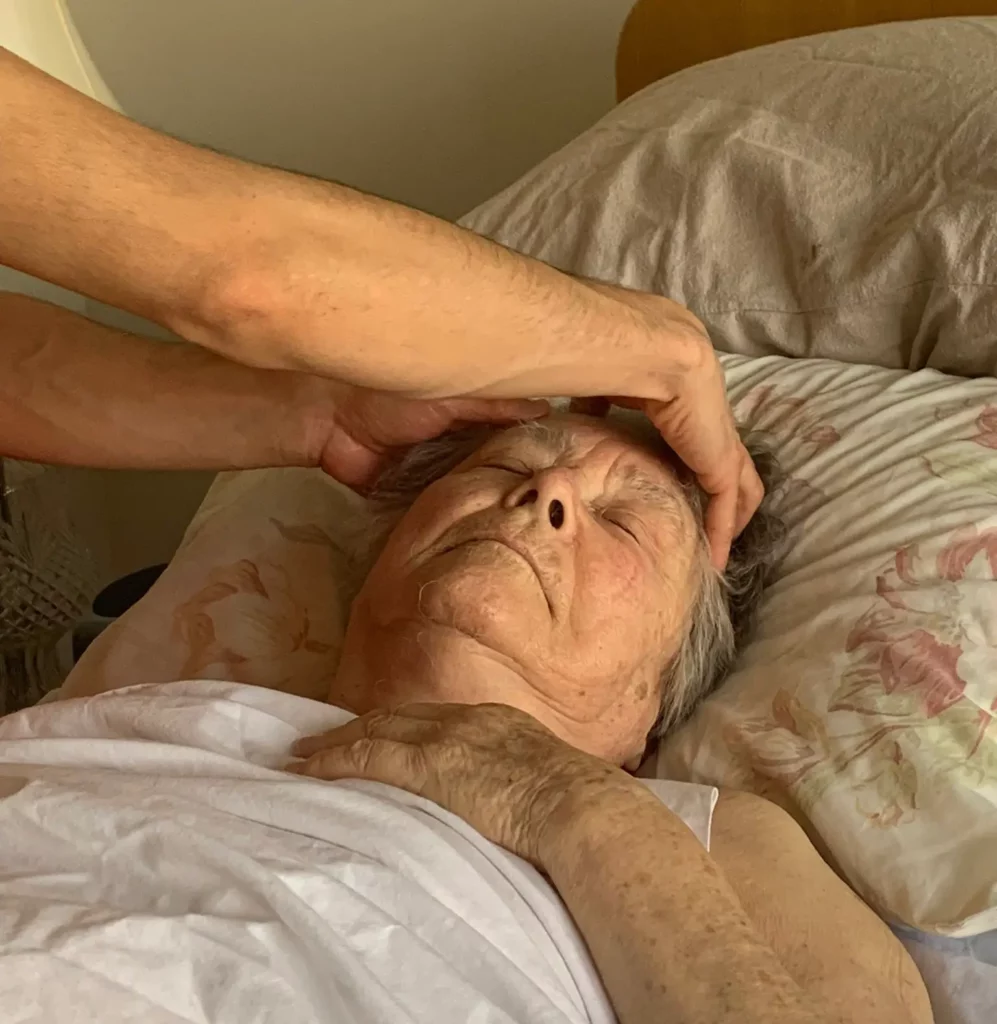
Many family caregivers want to help loved ones feel more comfortable at home but may not know where to begin. Learning simple massage routines can provide a safe and meaningful way to support relaxation, reduce muscle tension, and encourage a greater sense of well-being.
The Older Adult Massage Course for Family Caregivers is designed specifically for this audience. The course includes instructional videos on seated and lying-down massage techniques, contraindicated areas, time management, and practical application methods that can easily fit into daily care routines.
Because the course is self-paced and fully online, caregivers can learn at a comfortable pace without needing prior experience.
The Importance of Quality Training
Across online discussions, many learners in massage education mention feeling unprepared when programs lack proper instruction in body mechanics, practical application, and technique development. This highlights the importance of choosing training that focuses not only on theory but also on practical, real-world caregiving scenarios.
Canadian Lifecare Learning’s programs are built around practical demonstrations, instructional videos, quizzes, and assessments designed to help learners apply techniques safely and confidently.
Is Massage Training Worth It?
For many caregivers, the answer is yes.
Massage training can help caregivers:
- improve comfort and relaxation for older adults
- develop confidence in hands-on care
- better understand age-related physical changes
- strengthen caregiving relationships
- expand professional opportunities and practical skills
Most importantly, it allows caregivers to provide a more supportive and compassionate care experience.
As the need for older adult care continues to grow, practical skills like massage are becoming increasingly valuable for both professional and family caregivers. Learning these techniques can make a meaningful difference in the lives of older adults while also helping caregivers feel more capable and prepared in their role.
If you are interested in building practical caregiving skills, Canadian Lifecare Learning’s courses and certificate programs provide flexible, online training designed specifically for PSWs, caregivers, and individuals supporting older adults at home.