Safety Considerations When Providing Massage for Older Adults
Massage can be a valuable addition to caregiving, helping support comfort, relaxation, and overall well-being. For Personal Support Workers (PSWs) and family caregivers, learning safe massage techniques can provide another way to enhance the quality of care they offer older adults.
However, massage for older adults requires a thoughtful approach. As the body ages, physical changes can affect how massage should be applied. Understanding these changes and following appropriate safety considerations can help caregivers provide a comfortable experience while minimizing the risk of discomfort or injury.
Whether you are supporting a loved one at home or working in a caregiving role, safety should always be the foundation of any massage approach.
Why Safety Matters When Providing Massage for Older Adults
Older adults often experience age-related changes that can influence how they respond to
touch and massage.
These changes may include:
- thinner, more delicate skin
- reduced muscle mass
- decreased flexibility
- joint stiffness
- mobility limitations
- age-related health conditions
Because of these factors, techniques that may be appropriate for younger individuals are not always suitable for older adults.
A safety-focused approach helps ensure that massage remains comfortable, supportive, and
adapted to the individual’s unique needs.
Understanding Contraindications
One of the most important aspects of safe massage is recognizing contraindications.
A contraindication is a situation where a particular technique should be avoided, modified, or
approached with caution.
Older adults may have health conditions that require caregivers to adapt their approach.
These can include:
- recent injuries
- inflammation
- skin conditions
- areas of pain or sensitivity
- certain medical conditions that affect circulation or mobility
Understanding when modifications may be necessary helps caregivers provide support more responsibly and confidently.
Education plays an important role in helping caregivers identify these considerations before
providing massage.
Using Appropriate Pressure
A common misconception is that stronger pressure automatically produces better results.
In reality, older adults often benefit from a gentler approach.
As skin becomes thinner and tissues become more sensitive with age, excessive pressure may
cause discomfort rather than relaxation. Caregivers should focus on techniques that prioritize
comfort and continuously pay attention to how the individual responds.
Every person is different, which is why communication and observation are essential throughout the experience.
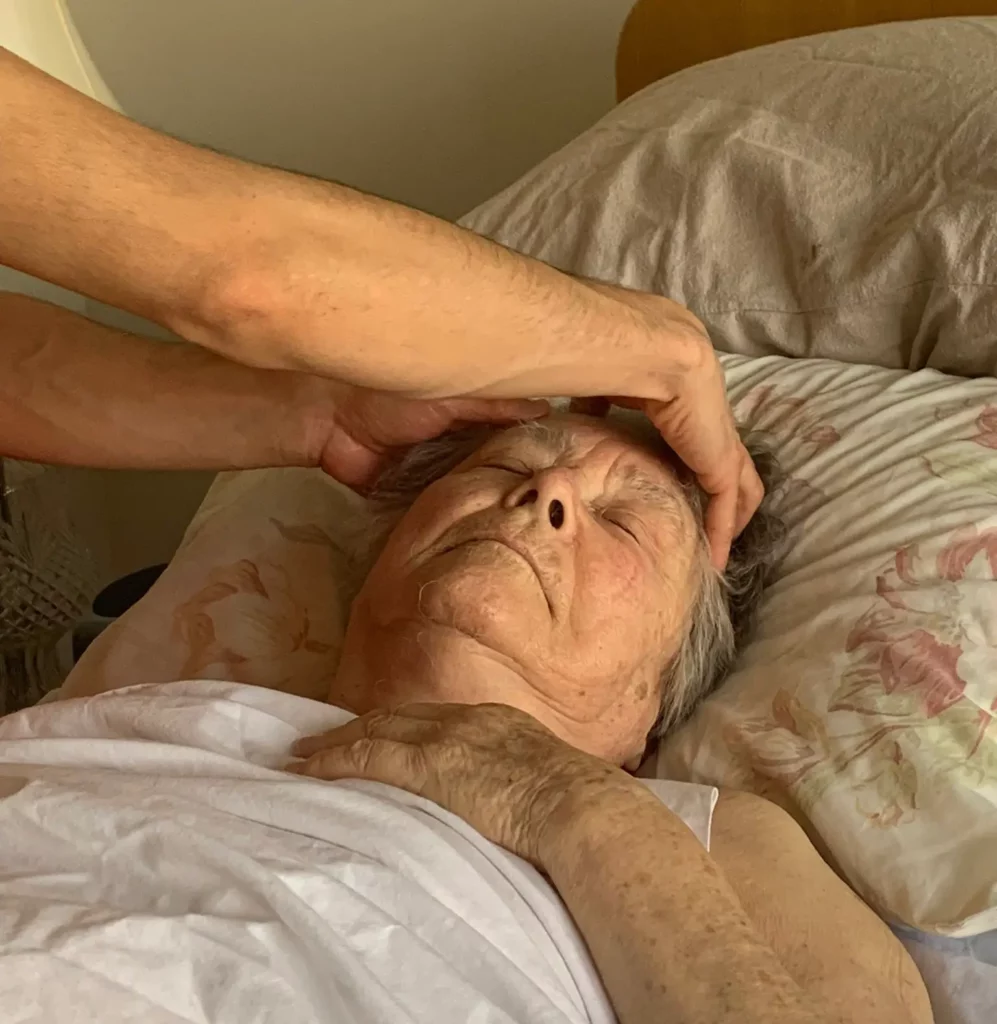
The Importance of Proper Positioning
Positioning is another critical safety consideration.
Many older adults experience challenges related to mobility, posture, or flexibility. If a person is
not positioned comfortably, even gentle massage techniques may become less effective.
Caregivers should ensure that the individual feels fully supported whether seated, reclined, or
lying down.
Good positioning helps:
- improve comfort
- reduce unnecessary strain
- support relaxation
- create a safer overall experience
Taking time to adjust pillows, seating arrangements, or body position can make a significant
difference.
Communication Should Always Come First
Effective caregiving involves ongoing communication.
Caregivers should never assume that an older adult is comfortable simply because they have
not voiced a concern.
Simple questions such as:
- " Does this feel comfortable? "
- " Would you like more or less pressure? "
- " Are there any areas you would prefer I avoid? "
can help ensure the experience remains positive and supportive.
Communication also helps build trust, allowing caregivers to better understand individual preferences and comfort levels.
Adapting Techniques for Individual Needs
No two older adults have the same needs.
Some individuals may have mobility challenges, while others may be managing arthritis, chronic discomfort, or reduced flexibility. A technique that works well for one person may need to be modified for another.
Safe massage involves adapting techniques based on the individual’s condition, comfort level, and overall health.
This personalized approach is one reason specialized training can be so valuable for caregivers
and PSWs.
Why Education Helps Caregivers Provide Safer Massage
Many safety concerns arise simply because caregivers have not received formal instruction in
massage techniques for older adults.
Understanding:
- age-related physiological changes
- contraindications
- positioning strategies
- pressure adaptation
- communication techniques
can significantly improve caregiver confidence and decision-making.
Canadian Lifecare Learning offers caregiver-focused education designed specifically for
individuals supporting older adults.
Programs such as the Geriatric (Older Adult) Massage Certificate for PSWs & Caregivers and
the Older Adult Massage Course for Family Caregivers help learners understand how to provide massage safely while prioritizing comfort and well-being.
Creating a Safe and Supportive Care Experience
Massage can be a meaningful way to support older adults when it is provided thoughtfully and
responsibly. Safety considerations such as pressure, positioning, communication, and awareness of contraindications all play an important role in creating a positive experience.
For caregivers and PSWs, understanding these principles helps ensure that massage remains focused on comfort, respect, and individual needs.
By building knowledge and confidence through education, caregivers can provide safer, more effective support while enhancing the overall care experience for older adults.
For those interested in developing these skills further, Canadian Lifecare Learning Courses offer
flexible online training designed specifically for caregivers and Personal Support Workers
supporting older adults.