Why Continuing Education Matters for PSWs Working With Older Adults
Personal Support Workers (PSWs) play an essential role in supporting the health, comfort, and well-being of older adults in a variety of care settings. Whether working in long-term care, retirement communities, or home care environments, PSWs are often responsible for providing compassionate, person-centred support that adapts to the unique needs of each individual.
As the needs of older adults continue to evolve, continuing education has become an important part of providing high-quality care. Expanding one’s knowledge and practical skills not only benefits the individuals receiving care but can also help PSWs feel more confident and prepared in their professional roles.
Specialized training opportunities that focus on older adult care can provide valuable insights into topics such as communication, comfort-focused support, age-related changes, and safe caregiving practices.
The Importance of Lifelong Learning in Caregiving
No two older adults are exactly alike. Factors such as mobility, health conditions, personal preferences, and levels of independence all influence how care should be provided.
Continuing education allows PSWs to stay informed about best practices and develop new approaches to delivering individualized care. Learning opportunities can help caregivers better understand:
- Age-related physical changes
- Person-centred care principles
- Communication strategies
- Comfort-focused support techniques
- Safe caregiving practices
- Practical skills that enhance everyday care
Ongoing professional development supports both the caregiver and the older adult by promoting thoughtful, informed caregiving.
Understanding the Unique Needs of Older Adults
Older adults often experience changes that influence how they receive and respond to care. Understanding these changes is essential when providing support that prioritizes comfort and dignity.
Continuing education can help PSWs develop a deeper understanding of:
- Skin and tissue changes associated with aging
- Mobility considerations
- Positioning and body mechanics
- Individual comfort preferences
- Adapting caregiving techniques when necessary
By learning how aging affects the body, PSWs are better prepared to provide care that is appropriate for each individual’s circumstances.
Building Confidence Through Specialized Training
Professional confidence often comes from both experience and education. Learning new skills provides PSWs with additional tools that can enhance the care they provide while increasing their own confidence in caregiving situations.
Specialized training programs allow caregivers to:
- Expand their practical caregiving skills
- Develop greater confidence when supporting older adults
- Learn comfort-focused techniques
- Improve communication with care recipients
- Better understand individualized care approaches
These skills can contribute to more positive experiences for both caregivers and the individuals they support.
The Value of Massage Education for PSWs
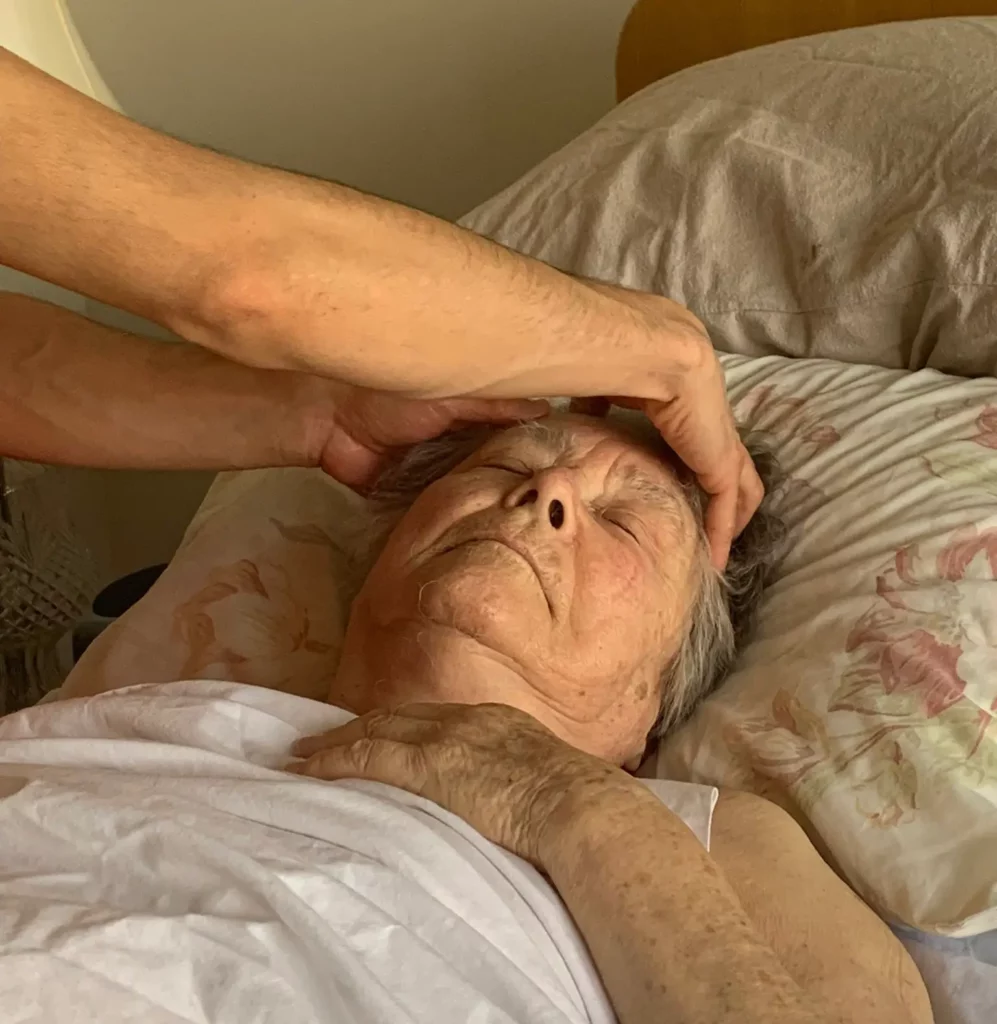
Massage education designed specifically for older adult care offers PSWs an opportunity to learn practical techniques that complement their existing caregiving skills.
Unlike general massage education, specialized programs focus on the unique considerations involved in supporting older adults safely and respectfully.
Topics may include:
- Gentle massage techniques for older adults
- Positioning considerations
- Communication during massage
- Adapting techniques for individual needs
- Recognizing safety considerations
- Incorporating massage into comfort-focused care
This type of education emphasizes supporting comfort and well-being while recognizing that every older adult has unique needs and preferences.
Continuing Education Supports Better Care
Continuing education is about more than acquiring new skills. It is also about maintaining a commitment to providing compassionate, person-centred care.
As caregivers expand their knowledge, they are often better equipped to:
- Respond to changing care needs
- Provide individualized support
- Promote comfort and relaxation
- Communicate effectively with older adults
- Contribute positively to the caregiving experience
Professional development can have a meaningful impact on both caregiver confidence and the overall quality of care provided.
Investing in Professional Growth
Continuing education is an investment in both personal and professional growth. By seeking specialized learning opportunities, PSWs demonstrate a commitment to enhancing their caregiving practice and improving the experiences of the older adults they support.
Developing additional skills can help caregivers feel better prepared for the everyday challenges and rewards that come with supporting older adults in a variety of care settings.
Supporting Older Adults Through Specialized Education
Providing exceptional care begins with a willingness to continue learning. Specialized education programs can help PSWs expand their understanding of older adult care while developing practical skills that contribute to comfort-focused, person-centred support.
Canadian Lifecare Learning offers educational programs specifically designed for caregivers who support older adults. Their Geriatric (Older Adult) Massage Certificate for PSWs & Caregivers provides practical training that helps caregivers develop specialized massage techniques and a deeper understanding of the unique needs of aging individuals.
By investing in continuing education, PSWs can strengthen their caregiving skills and continue making a meaningful difference in the lives of the older adults they support.