Everyday Opportunities for Massage During Home Care Routines
Providing care for an older adult often involves a series of daily routines that support comfort, safety, and well-being. Whether assisting a parent, spouse, or another loved one, family caregivers and Personal Support Workers (PSWs) spend much of their time helping with activities that promote independence and quality of life.
Massage does not have to be a separate or time-consuming activity. When performed safely and appropriately, gentle massage techniques can be incorporated into everyday care routines, creating additional opportunities to promote relaxation and comfort throughout the day.
By understanding when and how to include massage as part of regular caregiving, caregivers can provide meaningful support while maintaining a person-centred approach.
Making Massage Part of Daily Care
Caregiving routines often follow a predictable rhythm. There are natural moments throughout the day when an older adult may benefit from gentle, comfort-focused massage.
Rather than scheduling a lengthy session, caregivers can incorporate brief techniques into existing routines whenever appropriate and welcomed by the older adult.
The goal is not to replace other aspects of care, but to complement them with thoughtful, individualized support.
During Morning Care
Many older adults experience stiffness after waking or following extended periods of rest.
Morning care routines can provide an opportunity to encourage relaxation before beginning the day.
For example, gentle hand or shoulder massage may be incorporated after assisting with personal care, provided the older adult is comfortable and there are no health considerations that would make massage inappropriate.
Starting the day with calm, supportive touch can contribute to a more relaxed caregiving experience.
Before Rest Periods
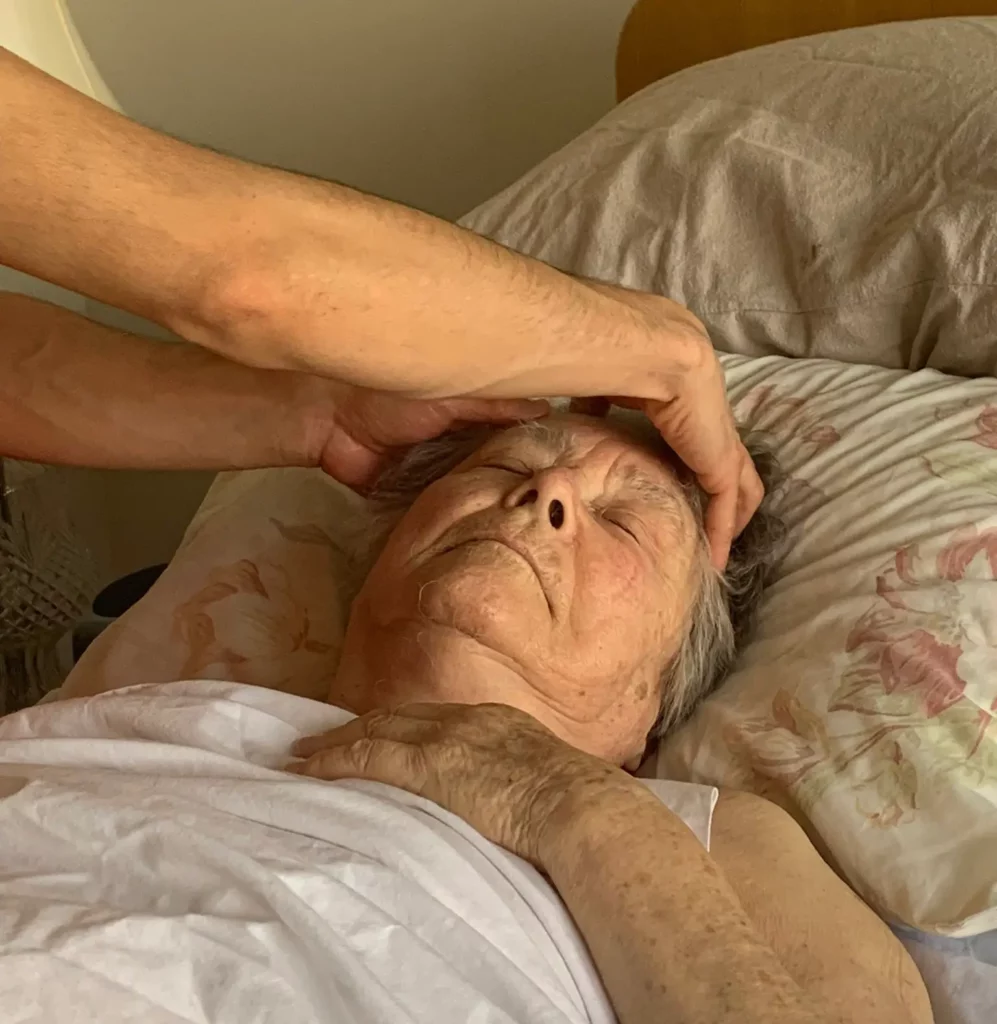
Quiet moments before an afternoon rest or bedtime can also be appropriate times for gentle massage.
A short massage session may help create a peaceful environment while encouraging relaxation before periods of rest.
Depending on the individual’s preferences, caregivers may incorporate gentle techniques for areas such as the hands, shoulders, or feet as part of an established bedtime routine.
Consistency and communication are important, allowing the older adult to decide whether they would like massage included.
After Long Periods of Sitting
Many older adults spend extended periods seated while reading, watching television, participating in activities, or visiting with family.
Remaining in one position for a long time can contribute to feelings of stiffness or discomfort.
After helping an older adult change positions or move to a more comfortable chair, caregivers may choose to incorporate gentle massage techniques that support relaxation and comfort.
Massage should always be adapted to the individual’s health status, comfort level, and preferences.
During Meaningful One-on-One Time
Not every caregiving interaction needs to focus on completing a task.
Setting aside dedicated time to sit together, talk, and provide gentle massage can create opportunities for meaningful connection.
These moments allow caregivers to focus entirely on the older adult while encouraging relaxation in a calm and supportive environment.
Many caregivers find that these quiet interactions strengthen trust and contribute to a more positive caregiving relationship.
Supporting Comfort During Daily Routines
Massage can also complement other caregiving activities by encouraging a sense of comfort throughout the day.
For example, caregivers may incorporate gentle massage:
- After assisting with personal care
- During quiet afternoon breaks
- Before bedtime routines
- While spending quality time together
- Following periods of prolonged sitting
Rather than viewing massage as a separate responsibility, these moments demonstrate how it can naturally become part of individualized care.
The Importance of Individual Preferences
Every older adult has unique preferences, health considerations, and comfort levels.
Some individuals may enjoy brief hand massage, while others may prefer gentle shoulder techniques or choose not to receive massage at all.
Effective caregiving involves listening carefully, communicating throughout the experience, and respecting personal preferences.
Massage should always be adapted to meet the individual’s needs rather than following a standard routine.
Learning Safe, Practical Techniques
While massage can be incorporated into everyday caregiving, proper education helps caregivers understand how to do so safely.
Learning about pressure, positioning, communication, and age-related changes allows caregivers to provide massage with greater confidence while prioritizing comfort and well-being.
Canadian Lifecare Learning offers education specifically designed for family caregivers and PSWs who support older adults. Their courses focus on practical massage techniques that can be applied in home and caregiving environments while recognizing the unique needs of aging individuals.
Building Comfort Into Everyday Care
Supporting an older adult often involves many small moments that contribute to their overall comfort and quality of life. Gentle massage, when provided safely and respectfully, can become one of those meaningful moments.
By incorporating massage into everyday care routines, caregivers can create additional opportunities for relaxation, connection, and individualized support without significantly changing their daily schedule.
If you would like to learn practical massage techniques designed specifically for older adults, explore Canadian Lifecare Learning’s caregiver education programs. Their online courses help family caregivers and Personal Support Workers develop the knowledge and skills needed to provide safe, comfort-focused massage as part of everyday care.